
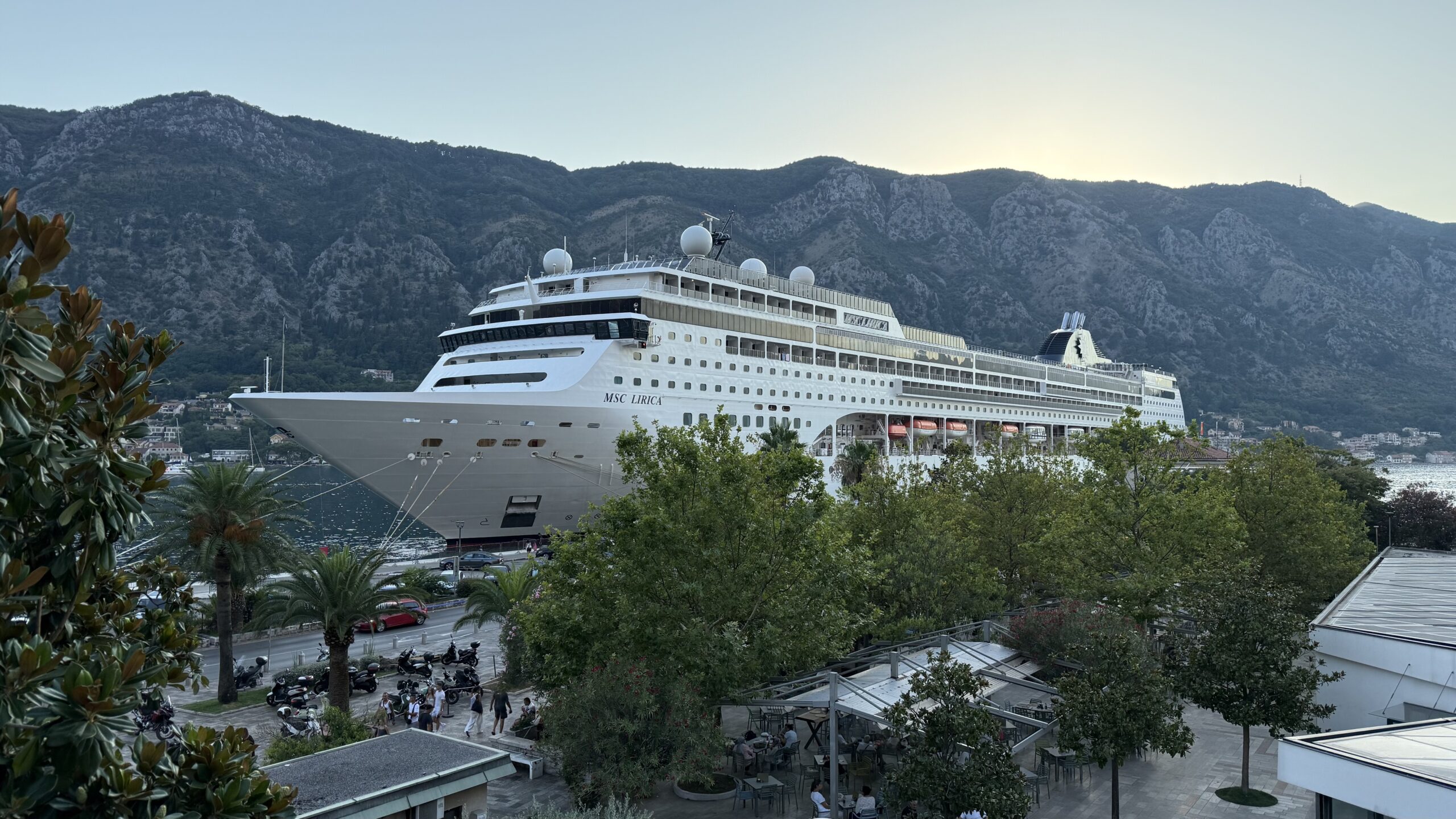
Can you really live comfortably in Montenegro for around €1,100 a month?
After spending some time living in Montenegro, I wanted to find out what everyday life actually costs here. Not a backpacker budget, and not a luxury lifestyle either. Just a realistic monthly budget for someone who wants a comfortable apartment, good food, regular coffee, some evenings out, transportation, health insurance, and enough freedom to enjoy the country.
My own monthly expenses come to around €1,100, although your budget can obviously be quite different depending on where you live and how you spend your money.
In this guide, I’ll go through what I like about living in Montenegro, where I chose to live, how much I pay for rent and utilities, what internet and mobile data cost, and some of the things I wish I had known before coming here.
Why Live in Montenegro?
Before getting into the numbers, there’s a more important question: why choose Montenegro in the first place?
For me, the biggest attraction is the quality of everyday life. Montenegro is one of those places where life naturally slows down. You can have coffee by the sea in the morning, swim in the Adriatic during the afternoon, and finish the day hiking in the mountains while watching the sunset.

Everything feels relatively close, and there isn’t the same constant rush you experience in many larger European cities.
The food is another part of the appeal. Living along the Adriatic means plenty of fresh seafood, Mediterranean-style dishes, local wine, olive oil, and simple meals that don’t need much to be good. Add the relaxed café culture and the fact that you can spend hours sitting outside with a coffee, and I can understand why people come here and end up staying much longer than planned.
A Small Country With a Lot of Variety
One of the things that surprised me most about Montenegro is just how much variety there is in such a small country.

You have the Adriatic coastline and its beaches, medieval towns such as Kotor and Budva, national parks, mountain hiking trails, and even ski resorts during winter.
What I really like is how quickly the landscape changes. You can be sitting by the sea and, within roughly an hour or so, find yourself surrounded by mountains. That makes Montenegro particularly interesting if you enjoy outdoor activities and don’t want to choose between coastal and mountain living.
The location is another major advantage. Croatia, Bosnia and Herzegovina, Albania, and Serbia are all nearby, making regional travel relatively easy. Montenegro also has international airports in Podgorica and Tivat, which make getting around Europe pretty straightforward, although I’m not sure “straightforward” is exactly the right word here. I’ll come back to that later.
The Expat Lifestyle in Montenegro
Montenegro has also attracted a growing number of foreigners over the past few years. You’ll meet retirees, remote workers, entrepreneurs, and people who simply want a different pace of life.

In the main tourist areas, English is commonly spoken, and it’s not unusual to see cafés filled with people working remotely on their laptops. For someone working online, it’s relatively easy to build a comfortable routine.
What I appreciate most, though, is how peaceful Montenegro can feel outside the busy summer season.
During spring and autumn, you can escape the crowds and find quiet beaches, small coastal villages, and mountain viewpoints where there are hardly any other people around. That balance between having everything nearby and still being able to find some peace is one of the main reasons I keep coming back.
Rent in Montenegro: What I Actually Pay
For most people, rent will be the biggest monthly expense, and Montenegro is not necessarily cheap when it comes to accommodation, especially compared with some other Balkan countries.

The biggest factor is location. Coastal towns such as Kotor, Budva, and Tivat are extremely popular, but they are also among the most expensive places to rent, particularly during the summer tourist season.
The good thing is that Montenegro is a very small country. Public buses connect many of the main towns, so you don’t necessarily have to live directly next to the beach or inside an old town to enjoy the coastal lifestyle.
In fact, moving just a little further away from the main tourist areas can make a significant difference to your rent.
Finding Long-Term Accommodation
If you’re looking for a long-term apartment in Montenegro, I wouldn’t rely entirely on Airbnb or Booking.com. Those platforms are useful when you first arrive, but their prices are generally aimed at tourists and short-term visitors.

I had much better luck looking at local real estate websites, Facebook groups, and contacting landlords directly. Once you spend some time here, you also realize that plenty of apartments never appear on the major international booking platforms.
For my own stay, I rented a small one-bedroom apartment in Kotor, around a 20-minute walk from the Old Town.
I pay €500 per month.
It isn’t luxurious, but for me it works perfectly. I have a small kitchen, a balcony, a good shower, and great local neighbors. The apartment is quieter and considerably cheaper than staying right in the tourist center, and the short walk into town doesn’t bother me at all.
For me, paying roughly half the price in exchange for a 20-minute walk is absolutely worth it.

I also know people renting larger apartments for similar prices in places such as Bar and Herceg Novi. So if you are willing to live slightly further away from the busiest tourist areas, there are definitely ways to bring your accommodation costs down.
I personally like Kotor because it gives me a good balance. It’s incredibly beautiful, and it’s well connected to nearby places such as Perast and Tivat. I often take the bus there to meet friends, have coffee, walk along the waterfront, or simply spend an afternoon exploring.
Things to Check Before Renting
There are two things I would definitely check before signing a long-term rental agreement in Montenegro.
First, ask whether the rent stays the same throughout the year.
Some landlords offer attractive prices during the winter but expect tenants to leave once the summer tourist season begins. If you’re planning to stay long-term, make sure you understand exactly what happens during the summer.

Second, check the apartment’s heating and insulation.
Montenegro has a Mediterranean image, but winter temperatures can still feel surprisingly cold indoors, particularly in older apartments. Good heating can make a big difference, and air-conditioning units are commonly used for both cooling and heating.
Utilities and Electricity in Montenegro
My utility costs were fairly low because I was staying outside both the hottest and coldest periods of the year.
My electricity bill was usually around €40 per month.
However, this can change considerably during winter. If you rely heavily on air conditioning or electric heaters for heating, your electricity bill can reach €100 or more depending on the apartment, insulation, and how much you use them.

Water is much cheaper. For one person, I found a monthly bill of around €10 to be typical, although this depends on usage and some landlords include water in the rent.
So, when comparing apartments, it’s worth asking exactly which utilities are included and which ones you’ll have to pay separately.
Internet and Mobile Data
Internet was one of the things that pleasantly surprised me about Montenegro.
In larger towns and coastal areas, fiber connections are widely available, and I had no problems working online. A reliable home internet connection generally costs around €25 to €30 per month, which is more than enough for video calls, remote work, streaming, and uploading content.
Local SIM cards are also relatively affordable. Depending on the provider and how much mobile data you need, you can usually find prepaid or monthly plans for around €10 to €20.
For someone staying temporarily, an eSIM can also be a convenient option, especially if you don’t want to deal with getting a physical SIM card as soon as you arrive.
The one thing I would check before renting is the exact internet coverage at the property.

In places such as Kotor, Budva, Tivat, Bar, and Podgorica, connectivity is generally good, but things can be different if you decide to live in a smaller mountain village or a more remote part of the country.
If reliable internet is important for your work, don’t simply assume that every apartment will have the same connection. Ask the landlord for the exact provider and speed before committing to a long-term rental.
My Monthly Housing and Utility Costs
For my own lifestyle in Montenegro, my basic housing and connectivity costs look roughly like this:
| Expense | My Monthly Cost |
| Rent | €500 |
| Electricity | ~€40 |
| Water | ~€10 |
| Home Internet | ~€25 to €30 |
| Mobile Data | ~€10 to €20 |
Of course, these numbers can change significantly depending on the season, apartment, location, and how much electricity you use.
For me, though, finding a simple apartment slightly outside the main tourist area has been one of the easiest ways to keep my overall cost of living in Montenegro reasonable without giving up the lifestyle I came here for.
And that’s really the key with Montenegro. You don’t necessarily need to live in the cheapest possible place. A small change in location can give you much better value while still keeping you close to the sea, restaurants, cafés, public transportation, and everything else you need.
Food, Coffee and the Wine Culture in Montenegro
One of my favorite things about living in Montenegro is the food culture. People generally don’t rush through meals here. Long lunches, slow dinners, and sitting in a café for an hour or two are all a normal part of everyday life.

Since I had a kitchen in my apartment, I cooked quite a lot and did most of my grocery shopping locally. I also enjoyed visiting the markets and trying to communicate with vendors using my terrible sign language, which somehow always turned into a fun interaction.
For supermarkets, I found Aroma and smaller local grocery stores to be reasonably priced, while IDEA often felt noticeably more expensive for many of the same products.
One thing that took some getting used to is that supermarkets and grocery stores are generally closed on Sundays due to Montenegro’s trading restrictions. I actually like the idea behind this, as it gives people more time to spend with their families. What I never quite understood was why so many shops also close around 9 or 10 p.m., even in busy tourist areas. If you know the reason, let me know!
What Does Food Cost in Montenegro?
Montenegrin cuisine sits somewhere between the Balkans and the Mediterranean, which gives you quite a nice variety depending on where you are.

Along the coast, seafood is everywhere. You’ll find fresh fish and simple Mediterranean dishes prepared with olive oil and local herbs. Further inland, the food becomes more traditionally Balkan, with grilled meats, cheeses, homemade bread, hearty stews, burek, ćevapi, and plenty of other filling dishes.
One thing I quickly noticed is that eating out in Montenegro can be surprisingly affordable, especially if you avoid the most touristy restaurants.
A simple local meal usually costs around €8 to €12, while a nicer dinner with seafood, wine, or a waterfront location can easily reach €20 to €30 per person. Breakfast is generally around €6 to €7, while pastries and desserts are often around €4.
It’s not unusual to have a good meal for two for around €25, or get a large portion of ćevapi for about €12. Considering the quality and portion sizes, I think that’s very good value.

Location makes a big difference, though. Eating inside the Old Town of Kotor or next to the marina in Tivat usually comes with a tourist premium. Sometimes walking just a few streets away can make a noticeable difference in price while still giving you excellent food.
Coffee Culture in Montenegro
Coffee is another big part of daily life here.
Montenegro has a very Balkan-style café culture where meeting someone for coffee isn’t really just about the coffee. It’s a social ritual. People can easily spend an hour or two sitting outside, talking, watching people pass by, and enjoying the atmosphere.
A regular espresso or traditional domaća kafa, roughly the local style of Turkish coffee, usually costs around €1.50 to €2. Specialty coffee in more modern cafés is generally around €3 to €4.
If you work remotely, there are also plenty of cafés in the more popular coastal towns where you can sit with a laptop, get decent Wi-Fi, and work for a few hours.
Montenegro’s Wine Culture
And then there’s wine.
Montenegro is a small country, but it has a surprisingly strong wine tradition. The local grape you’ll see most often is Vranac, a rich red variety that is particularly associated with Montenegro and the wider Balkan region.
Local wine is also quite affordable. A decent bottle from a supermarket will usually cost around €5 to €10, while a glass in a restaurant is often around €3 to €5.
Compared with many Western European countries, I found it very easy to enjoy good local wine without spending much.
For my own monthly budget, I think €300 to €400 is a realistic amount for a comfortable food and coffee budget, including groceries, restaurants, coffee, and the occasional dinner out. You can obviously spend much more, particularly during the summer, but eating well in Montenegro doesn’t require a huge budget.
Getting Around Montenegro: Buses, Cars and Taxis
Transportation was probably one of the biggest adjustments for me.
Montenegro is a small country, but the public transportation system isn’t always as convenient as you might expect. There are local buses connecting many of the coastal towns, and honestly, they aren’t bad.
For example, the Blue Line buses connecting Kotor, Perast, Tivat, and nearby areas cost around €2. You usually pay the driver directly in cash because there aren’t payment terminals on the buses.

The buses themselves are generally comfortable and air-conditioned, so the problem isn’t really the buses. It’s the lack of reliable information. There aren’t always exact timetables, Google Maps doesn’t provide reliable live departure information, and during the busy summer season you might wait 30 minutes or more for a bus, only to find it already crowded.
For longer journeys to places such as Budva or Podgorica, you’ll normally use the main bus station. This is where things can become a little old-fashioned.
Even if you buy your ticket online, you may still need cash to print it at the station. A ticket might cost around €5, with an additional platform fee of roughly €1 or €2, and sometimes another €1 paid directly to the driver if you have luggage.
None of these costs are huge, but they are exactly the kind of small details that are useful to know before you arrive.
Do You Need a Car in Montenegro?
If you plan to live in Montenegro long-term, having a car can make life considerably easier.
The distances are short, but many of the best beaches, mountain viewpoints, hiking trails, and small villages aren’t particularly easy to reach by public transportation. You can drive from the coast into the mountains in a little over an hour, and having your own car gives you much more freedom to explore.
Buying a used car is common among foreigners who stay for a year or longer, although prices have increased in recent years.

Renting a car is another option. A small manual car can start at around €30 per day, with better rates for longer rentals. During the summer season, however, prices can increase considerably because of tourist demand.
Personally, I don’t have a car in Montenegro. Whenever I want to explore somewhere further away, I usually go with friends who have a car and share the fuel costs. It works really well for me and has actually become one of my favorite ways to discover the country.
Walking and Taxis
If you don’t have a car, daily life is still very manageable if you choose your location carefully.
Kotor, Budva, Bar, Herceg Novi, and Tivat are all fairly walkable, and I spend a lot of time getting around on foot. Walking is also one of the best ways to experience the coastal towns. You can wander through old streets, walk along the waterfront, stop for coffee, and discover small places you would probably miss from a car.
Taxis are another option, particularly along the coast, but they can be expensive. Even relatively short rides can easily cost around €20, while airport transfers during the busy summer season can reach €50 or more.
Ride-hailing apps aren’t nearly as common here as they are in countries such as Vietnam or Thailand. There is an app called Montego, but it doesn’t support online payments, so you’ll still need to pay the driver in cash.
For my own lifestyle, walking, local buses, and occasionally sharing fuel costs with friends works perfectly well. My transportation budget rarely exceeds €150 per month.
Entertainment and Lifestyle in Montenegro
Beyond the practical costs, I think the lifestyle is one of Montenegro’s biggest advantages.
Life here isn’t necessarily about constantly looking for the next event, attraction, or expensive activity. A lot of the enjoyment comes from simple things: being outside, meeting friends, swimming, walking, hiking, having coffee, and spending time near the sea.
During the warmer months, the coastline becomes the center of everything. I can spend the morning swimming in the Adriatic, have a drink with a sea view, and finish the day walking along the waterfront or having dinner overlooking the water.

And many of the best things to do in Montenegro are completely free.
Beaches, hiking trails, viewpoints, old towns, scenic drives, and simply walking around the coastline don’t cost anything. If you enjoy being outdoors, it’s surprisingly easy to have an active lifestyle without spending a lot of money.
Hiking and Outdoor Activities
Montenegro is particularly good for anyone who enjoys nature.
Places such as Durmitor National Park, Lovćen, and the mountains around Kotor offer incredible hiking opportunities, and there are countless smaller trails and viewpoints scattered around the country.

I like that I don’t have to plan a big trip to enjoy nature. Sometimes I can simply take a short drive or walk and find myself somewhere with an incredible view.
The social scene changes quite a lot depending on both your location and the season. During summer, Budva, Tivat, and Kotor become much busier, with beach bars, concerts, restaurants, and other events happening regularly.

Outside the peak summer months, everything slows down considerably. I personally enjoy the quieter atmosphere, but if you’re someone who needs a busy social calendar throughout the year, Montenegro’s off-season might feel a little too quiet.
Expat Community and Nightlife
The expat community is still relatively small compared with destinations such as Portugal or Spain, but it’s growing. In the more popular areas, you can find language exchanges, coworking events, hiking groups, and casual meetups.
Nightlife also depends heavily on where you are.
Budva is probably the biggest party destination, particularly during summer. Tivat has a more upscale atmosphere around the marina, while Kotor is better known for its historic setting, cafés, and cultural events than for a huge nightlife scene.

You also don’t need a huge budget for a normal night out. A local beer is around €3, coffee is generally €1.50 to €3, and a casual dinner with drinks can often be around €15 to €25 per person. Tourist venues can obviously be much more expensive, especially during summer.
For me, though, entertainment in Montenegro doesn’t need to be complicated.
Some of my favorite evenings are simply sitting with friends at a seaside café, taking a drive through the mountains, or watching the sunset from a quiet viewpoint with a bottle of local wine.
Honestly, those simple moments are probably what I enjoy most about living in Montenegro.
Health Insurance and Other Everyday Expenses in Montenegro
When I was calculating my real cost of living in Montenegro, I didn’t want to focus only on rent, food, and transportation. The smaller everyday expenses add up too, especially if you’re planning to live here for several months or longer.
Things like haircuts, toiletries, household products, and mobile data are generally quite affordable compared with Western Europe. A basic haircut costs me around €10, while I usually spend about €30 per month on toiletries and household items. A local SIM card with a reasonable amount of mobile data is generally around €10 to €15 per month.

I also don’t currently pay for a gym membership. I prefer jogging and using the outdoor workout areas along the coast, which are a much better fit for me anyway. If you do want a gym membership, a basic local gym will usually cost less than €50 per month, while newer or more premium fitness centers can cost more.
Health Insurance for Expats in Montenegro
Healthcare is another important expense to consider when planning your cost of living in Montenegro as an expat.
Montenegro has a public healthcare system, but many foreigners choose private clinics because they can be faster and more convenient, particularly if you don’t speak the local language.
Luckily, I haven’t needed any medical treatment during my time here, so I haven’t had much personal experience with the healthcare system. For international health coverage, I continue using SafetyWing, which costs me $62 per month. I’ve been happy with it so far.
These smaller expenses don’t make a huge difference to my overall budget, but I think including them gives you a much more realistic picture of what it actually costs to live in Montenegro.
My Real Monthly Cost of Living in Montenegro
Now let’s put everything together.
The following numbers are based on my actual monthly spending in Montenegro. This isn’t a luxury lifestyle where I’m eating at expensive restaurants every night, but it’s also not a strict budget where I’m constantly thinking about every euro.
My total comes to €1,131 per month, or approximately $1,314.
For that amount, I have a small private apartment, utilities, groceries, coffee, occasional meals out, local wine, transportation, health insurance, and enough room in the budget for a reasonably active social life.
| Item | Cost | Approx. USD |
| Rent (small apartment) | €500 | ≈ $580 |
| Utilities (water, electricity, Internet + mobile) | €84 | ≈ $99 |
| Groceries | €204 | ≈ $237 |
| Coffee | €19 | ≈ $22 |
| Local Restaurants | €144 | ≈ $167 |
| Transportation (public buses & gasoline) | €71 | ≈ $82 |
| Health insurance | €53 | ≈ $62 |
| Toiletries | €29 | ≈ $34 |
| Haircut | €10 | ≈ $12 |
| Other expenses | €17 | ≈ $20 |
| TOTAL MONTHLY COST | €1,131 | ≈ $1,314 |
Of course, €1,131 isn’t a universal Montenegro cost of living figure. Your budget can be much lower or much higher depending on where you live and how you spend your money.
Some long-term expats I met here spend less by choosing cheaper accommodation, cooking more often, sharing an apartment, or living further away from the main tourist areas.
At the same time, there is almost no limit to how much you can spend on a more luxurious lifestyle. Places like Tivat, Kotor Old Town, and the most popular parts of Budva can become particularly expensive during the summer season.
For my own lifestyle, though, around €1,100 per month feels like a realistic sweet spot. It gives me enough freedom to enjoy Montenegro without constantly worrying about my budget.
How I Manage Money While Living Abroad
One thing I think people often underestimate before moving abroad is how they are going to manage their money internationally.
Finding an apartment is one thing. Moving money between countries, paying rent, dealing with different currencies, and avoiding unnecessary bank fees can become a headache pretty quickly.
That’s why I personally use Wise. It’s a regulated payments company designed for people who live, work, or spend money across different countries. I can hold multiple currencies in one account, exchange money using the mid-market exchange rate, and see the fees before making a transfer.

When I started spending more time abroad, I quickly realized how expensive and inconvenient traditional international banking could be. With Wise, I can manage things in one place, from sending international transfers to paying for expenses abroad.
I also use the Wise Multi-Currency Card when I travel, which lets me spend directly in local currencies without foreign transaction fees.
Another thing I like is the transparency. I can track my transfers in the app, and around 75% of transfers arrive in under 20 seconds, so I can see exactly what’s happening with my money.
If you’re planning to move abroad, already living overseas, or simply want an easier way to manage international finances, you can check out this link and get a fee-free transfer of up to $600.
Overall, Montenegro has been surprisingly manageable from a financial perspective. With careful choices around accommodation and everyday spending, I found that it’s possible to enjoy a comfortable lifestyle on a relatively modest monthly budget, while still having plenty of opportunities to travel, eat well, spend time outdoors, and enjoy everything the country has to offer.
Long Term Visa Options for Montenegro
If you’re thinking about living in Montenegro as an expat, one of the first questions you’ll probably have is how long you can actually stay.
Montenegro is not part of the European Union yet, although it is working toward EU membership. For many nationalities, entering the country as a tourist is relatively simple. Citizens of countries including the United States, Canada, Australia, the United Kingdom, and many European countries can generally enter visa-free for up to 90 days within a 180-day period, although the exact rules depend on your nationality.

If you want to stay longer than your visa-free period allows, you’ll need to look into a temporary residence permit in Montenegro.
There are several possible routes, including employment, starting a local business, family reunification, and, in certain circumstances, property ownership. One important point is that buying property in Montenegro does not automatically give you permanent residency or citizenship.
For remote workers, Montenegro also has a digital nomad residence permit. This can allow eligible foreigners who work remotely for companies outside Montenegro, or operate a foreign-based business, to legally stay in the country for longer.
The exact application requirements depend on the type of residence you’re applying for, but you should expect some paperwork, including things such as proof of income, accommodation, health insurance, and other supporting documents.
From what I’ve seen, the process can be a little bureaucratic, but plenty of foreigners manage it successfully, sometimes with help from local lawyers, accountants, or other professionals.
Overall, Montenegro is becoming an interesting option for people looking for a European coastal lifestyle, relatively affordable living costs, and a slower pace of life. Just make sure you check the current immigration requirements before making plans, because the rules can change as Montenegro continues its path toward EU membership.
The Downsides of Living in Montenegro
Of course, Montenegro isn’t perfect. After spending time here, there are several things I think you should know before deciding whether it’s the right place for you.
One of the first things you’ll notice is that cash is still widely used. Buses, taxis, smaller shops, and even some nicer restaurants don’t always accept cards, so I always keep some euros with me.
Seasonality is another major factor, particularly if you live on the coast. During the summer, places like Budva, Kotor, and Tivat can become extremely busy. Prices rise, beaches get crowded, traffic increases, and the relaxed atmosphere can feel completely different. Then, from autumn through spring, many coastal areas become very quiet, with some restaurants and tourist businesses closing temporarily. I personally enjoy the quieter months, but I can understand why some people might find them too slow.
Bureaucracy can also be frustrating. Residency paperwork, registrations, and dealing with local administration sometimes require patience, and not everything is as digital or streamlined as you might be used to in Western Europe.

Infrastructure is another area where it’s important to keep your expectations realistic. Montenegro is developing quickly, but it’s still a small Balkan country. Public transportation has limitations, roads can be narrow, and outside the main towns, services and English-speaking options become less common. Even the international airports in Podgorica and Tivat, while useful, can feel outdated and seriously overcrowded during the summer season.
Other Deal-Breakers
The local job market is another consideration. Montenegro can work very well for remote workers, retirees, and people earning money from abroad, but local salaries are relatively low. If you’re planning to move here and find a highly paid local job, your options will be much more limited than in larger European economies.
The weather is mostly a positive for me, but it can still be a downside depending on what you prefer. Coastal summers can get very hot, particularly in July and August. Winters are relatively mild compared with much of Europe, but older apartments can feel surprisingly cold and damp without good heating.
And finally, there’s the language barrier. English is common in tourist areas, especially among younger people, but outside those areas, knowing some basic Montenegrin or Serbian can make everyday life considerably easier. More importantly, even a little local language can help you connect with people beyond the usual tourist and expat circles.
Is Montenegro a Good Place to Live?
Despite all of these downsides, I still think Montenegro offers something really special.
The combination of the Adriatic coast, mountains, nature, safety, outdoor lifestyle, and relatively affordable cost of living is difficult to find elsewhere in Europe, especially at this price point.
For me, that’s what makes Montenegro interesting. I can spend the morning by the sea, drive into the mountains later in the day, meet friends for a coffee, and still enjoy a fairly comfortable lifestyle without spending a huge amount of money.

It’s certainly not the perfect country for everyone. The infrastructure, bureaucracy, seasonality, local job market, and other limitations can be frustrating. But if you’re a digital nomad, remote worker, retiree, slow traveler, or simply someone looking for a more relaxed European lifestyle, Montenegro is definitely worth considering.
For me, Montenegro has been a place where the good outweighs the bad, and that’s ultimately why I keep coming back.
Frequently Asked Questions About Living in Montenegro
How much does it cost to live in Montenegro per month?
A single person can live comfortably in Montenegro for around €1,000 to €1,300 per month, depending on location and lifestyle. My own monthly expenses came to €1,131, including rent, utilities, groceries, restaurants, coffee, transportation, health insurance and other everyday expenses. Coastal towns such as Kotor, Budva and Tivat can be considerably more expensive, especially during summer.
Is Montenegro a cheap country to live in?
Montenegro is still relatively affordable compared with many Western European countries, but it is not the cheapest country in the Balkans. Local restaurants, coffee, public transportation and everyday services can offer good value, while accommodation in popular coastal areas can be surprisingly expensive. Living outside the main tourist areas can reduce your monthly budget significantly.
What are the best places to live in Montenegro?
The best place depends on your lifestyle. Kotor is ideal if you want dramatic scenery, historic towns and the Bay of Kotor. Budva has more nightlife and summer activity, while Tivat is more upscale and centered around the marina. Bar offers a more relaxed coastal lifestyle, while Podgorica has more year-round city infrastructure and services.
Can you live in Montenegro for €1,000 a month?
Yes, it is possible for one person, especially if you choose affordable accommodation, cook regularly and avoid the most touristy areas. My own budget was slightly higher at €1,131 per month, while still allowing me to eat out, enjoy coffee and wine, travel around the country and maintain a comfortable lifestyle.
How long can foreigners stay in Montenegro without a visa?
Many nationalities can enter Montenegro without a visa and stay for up to 90 days within a 180-day period, although the exact rules depend on your citizenship. Montenegro’s government confirms that foreigners can stay for up to 90 days on a short-stay visa or without a visa when visa-free entry applies.
If you want to stay longer, you generally need to apply for an appropriate temporary residence permit.
Does Montenegro have a digital nomad visa?
Yes. Montenegro offers a temporary residence option for digital nomads who meet the eligibility requirements. It is designed for foreigners working remotely for companies outside Montenegro or operating a foreign-based business. Other temporary residence routes can also apply depending on your circumstances.
Is Montenegro part of the European Union?
No. Montenegro is not currently an EU member. It is an EU candidate country and has been negotiating membership since 2012. As of July 2026, 18 of its 33 negotiating chapters had been provisionally closed.
This is important if you’re considering Montenegro for long-term travel or residency, because living in Montenegro does not currently give you the same rights as living in an EU member state.
Can foreigners buy property in Montenegro?
Yes, foreigners can buy property in Montenegro, although there are restrictions on certain types of property and land. Property ownership can also be relevant when applying for temporary residence, but buying a property does not automatically give you Montenegrin citizenship or permanent residency. Always check the current residence requirements before buying property specifically for immigration purposes.
Is Montenegro a good country for digital nomads and remote workers?
Montenegro can be an excellent option for remote workers who want a combination of affordable European living, good internet in larger towns, the Adriatic coast, mountains and outdoor activities. Kotor, Budva, Tivat, Bar and Podgorica are among the more practical locations for remote work. The main drawbacks are seasonal tourism, limited public transportation, bureaucracy and less reliable infrastructure in some remote areas.
Is Montenegro a good place to live as an expat?
For the right person, yes. Montenegro is particularly attractive to digital nomads, remote workers, retirees and people earning their income from abroad. The combination of relatively affordable living costs, nature, safety, Mediterranean lifestyle and proximity to other Balkan countries makes it appealing. However, the seasonal nature of coastal towns, local job market, infrastructure and bureaucracy are important downsides to consider before moving.