What Is Food Like in Da Nang?
Food is one of the biggest reasons people enjoy living in Da Nang.
It’s not just about price, although it’s very affordable, it’s about how easy and natural it becomes to eat well every day. Fresh ingredients, fast service, and a strong street food culture make eating out part of your routine rather than an occasional expense.
For many expats, cooking at home becomes unnecessary.
Local Vietnamese Food (What You’ll Eat Most)
If you live in Da Nang, most of your meals will likely come from small local restaurants.
These places are usually:
- Family-run
- Simple in appearance
- Focused on one or two dishes
But the quality is often better than in more polished, tourist-oriented spots.
Typical meals include:
- Pho (noodle soup)
- Bun cha (grilled pork with noodles)
- Mi Quang (local Da Nang specialty)
- Banh mi (Vietnamese sandwich)
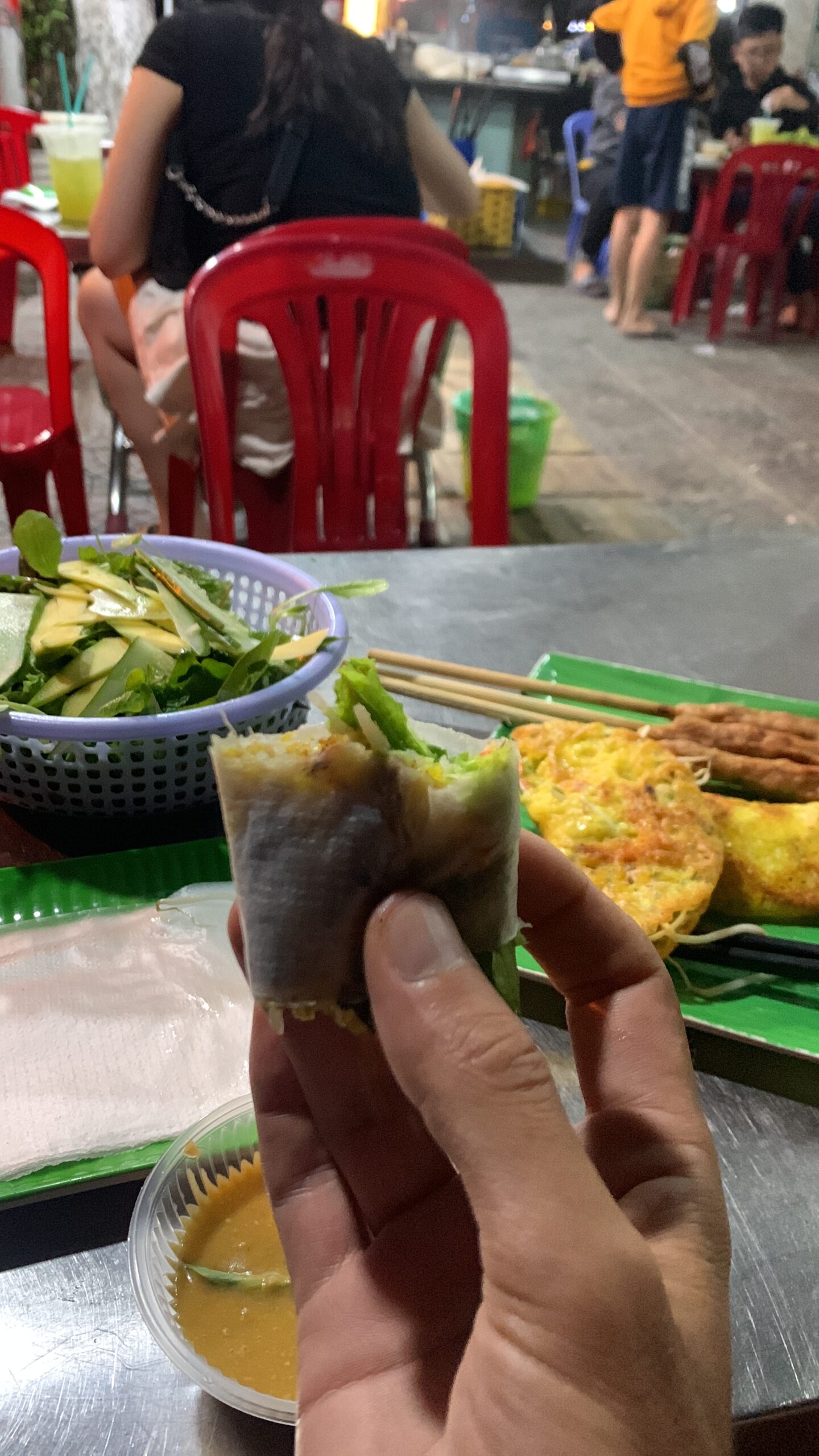
- Banh xeo (crispy pancake)
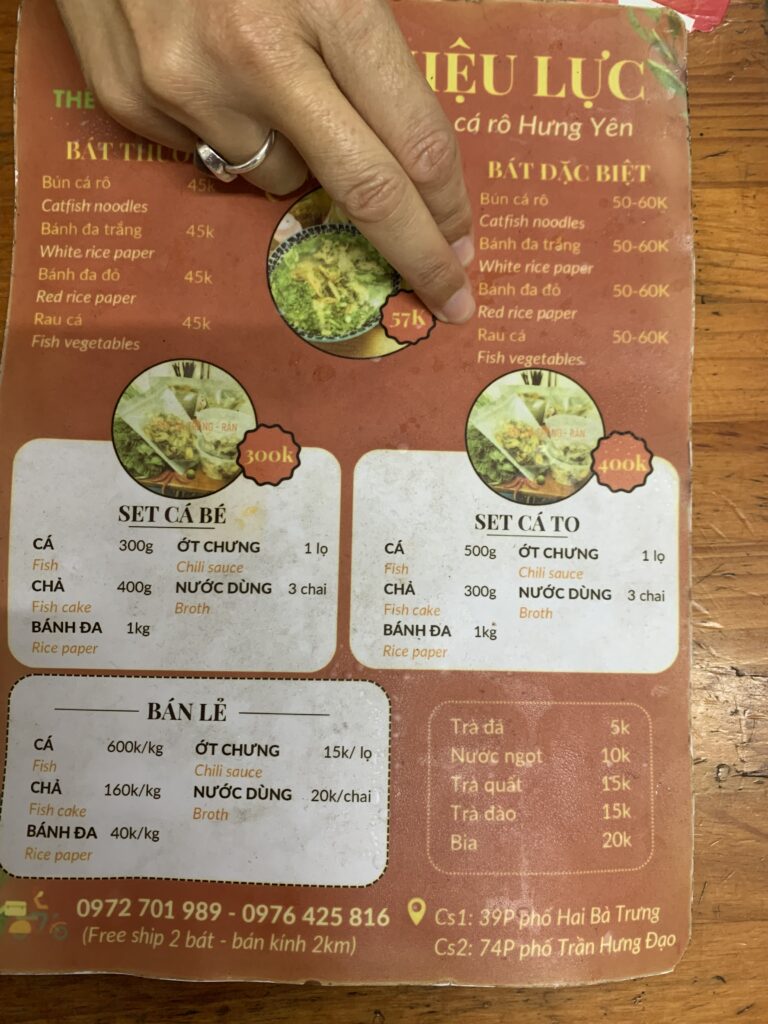
Prices are very consistent:
- 40,000 – 60,000 VND ($1.5 – $2.5) per meal
Over time, most people find a few reliable places and return regularly. It becomes part of a daily routine rather than something you think about.
Central Vietnam Specialties
Da Nang has its own regional dishes that are slightly different from what you’ll find in places like Hanoi or Ho Chi Minh City.
The most notable is Mi Quang, a noodle dish with a small amount of rich broth, herbs, peanuts, and meat or seafood. It’s lighter and more textured than typical soups.
Another standout is Banh xeo, which in Central Vietnam tends to be smaller, crispier, and served with fresh herbs and dipping sauce.
These dishes are widely available and usually very affordable.
International Food Options
Da Nang has a growing international food scene, especially in expat areas.
You’ll find:
- Japanese and Korean restaurants
- Indian food
- Western-style cafés and brunch spots
- Vegan and health-focused places
Prices vary depending on location:
- Near the beach: 120,000 – 200,000 VND ($5 – $8)
- Inland areas: often slightly cheaper for similar quality
While more expensive than local food, these options are still relatively affordable compared to Western countries.
Should You Cook or Eat Out?
This is one of the biggest lifestyle differences in Vietnam.
In many countries, cooking saves money. In Da Nang, the opposite is often true.
Eating out is:
- Cheap
- Convenient
- Time-saving
Groceries, especially imported products, can be surprisingly expensive. Combined with the availability of fresh, ready-made meals, many expats rarely cook at home.
A common routine looks like:
- Local food for daily meals
- Occasional international meals
- Minimal groceries (fruit, snacks, drinks)
Grocery Shopping in Da Nang
If you do buy groceries, you’ll usually choose between:
Local Markets
- Cheapest option
- Fresh produce
- Good for fruits and vegetables
Supermarkets
- More variety
- Better for packaged goods
- Slightly higher prices
Unlike bigger cities, Da Nang has fewer international convenience store chains, so pricing can be less competitive in some stores.
Coffee Culture (A Big Part of Daily Life)
Coffee is not just a drink here — it’s part of the lifestyle.
You’ll find:
- Small local cafés with strong Vietnamese coffee
- Modern, well-designed spaces with air conditioning and Wi-Fi
Prices:
- Local coffee: 20,000 – 30,000 VND ($1 – $1.5)
- Modern cafés: 40,000 – 70,000 VND ($1.5 – $3)
Many expats spend a significant amount of time working or socializing in cafés. It often replaces the need for coworking spaces.
Monthly Food Budget
Your food budget depends entirely on your habits.
A realistic range:
- Mostly local food: $150 – $200/month
- Mixed local + international: $200 – $350/month
- Frequent Western dining: $400+
Most long-term expats fall somewhere in the middle.
Food Safety and Adjustment
For most people, adjusting to Vietnamese food is easy, but there are a few things to keep in mind:
- Choose busy places (higher turnover = fresher food)
- Be cautious with street ice and raw vegetables at first
- Give your body time to adapt
After a short adjustment period, many people find the food lighter and easier to digest than what they’re used to.
Final Thoughts
Food in Da Nang is one of the biggest advantages of living here.
It’s affordable, widely available, and becomes part of your daily rhythm. Instead of planning meals, you simply step outside and choose from dozens of options within a few minutes.
For many expats, this is one of the reasons they end up staying longer than planned.
Next Steps
If you’re planning your move, you may also want to read:
- Cost of living in Da Nang
- Best areas to stay in Da Nang
- How to find apartments in Da Nang
Leave a Reply